Smart Planning Saves You Money on Your New Roof
Roof Replacement Cost: What to Expect and How to Save
Budget-Friendly Tips for Durham, CT
1. Understanding the Full Scope of Roof Replacement Expenses
Replacing your roof is one of the most significant investments you’ll make in your home. Many homeowners in Durham, CT ask, ‘How much does a roof replacement cost?’ and ‘What factors influence the total price?’ Understanding these details helps you budget effectively and avoid unexpected surprises.
The total expense depends on multiple factors including roof size, material selection, structural complexity, and labor costs. A typical residential roof replacement in Connecticut ranges from $8,000 to $25,000, though larger homes or premium materials can push costs higher. The square footage of your roof is the primary cost driver, as materials and labor are typically priced per square (100 square feet).
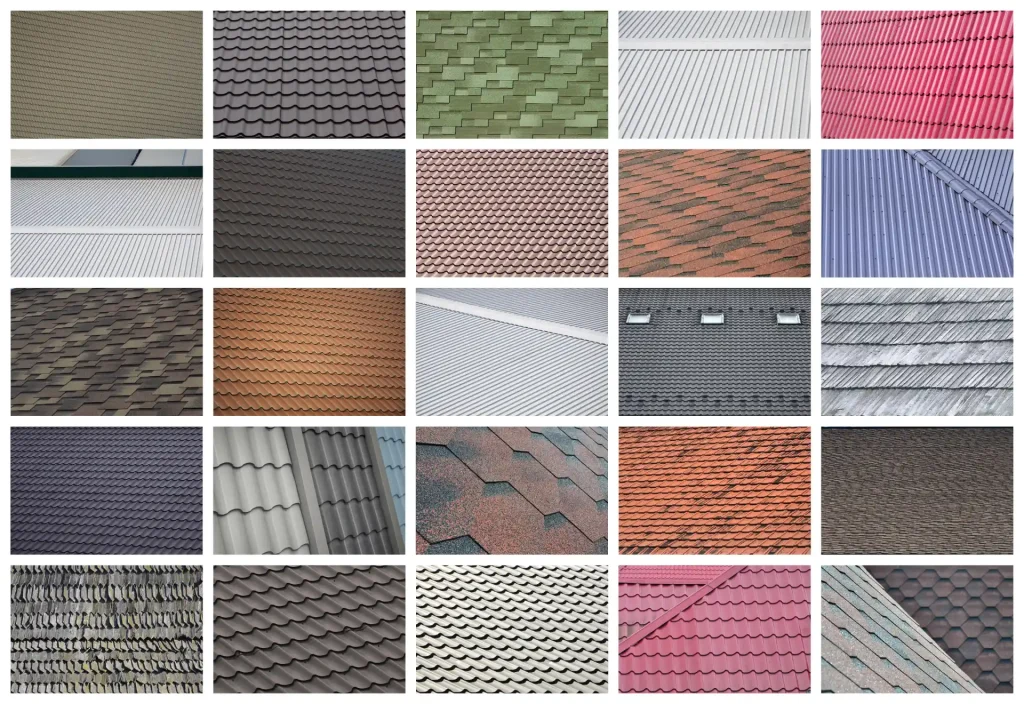
Material choice significantly impacts your budget. Asphalt shingles remain the most economical option, ranging from $350 to $500 per square installed. Architectural shingles offer enhanced durability and aesthetics at $450 to $650 per square. Metal roofing, which can last 50 years or more, costs $700 to $1,200 per square. Slate and tile represent premium choices, often exceeding $1,500 per square but providing exceptional longevity.
Beyond materials, consider the condition of your roof deck. If the underlying structure shows rot or damage, repairs add to the total cost. Removal and disposal of old roofing materials, typically $100 to $150 per square, also factor into your budget. Complex roof designs with multiple valleys, dormers, or steep pitches require additional labor and materials, increasing overall expenses.

2. Material Choices That Balance Quality and Affordability
Selecting the right roofing material involves balancing upfront costs with long-term value. Each material offers distinct advantages, and understanding these differences helps you make an informed decision that fits your budget and goals.
Asphalt shingles dominate the residential market for good reason. They provide reliable protection at an accessible price point, with three-tab shingles lasting 15 to 20 years and architectural shingles extending to 25 to 30 years. Their widespread availability keeps installation costs competitive, and repairs are straightforward when needed. For homeowners prioritizing affordability without sacrificing quality, asphalt shingles deliver excellent value.
Metal roofing has gained popularity among Durham homeowners seeking durability and energy efficiency. While the initial investment is higher, metal roofs reflect solar heat, potentially reducing cooling costs during Connecticut’s humid summers. They resist wind, fire, and impact damage better than most alternatives. A metal roof can last 40 to 70 years, meaning you may never need another replacement during your homeownership.
Synthetic materials like polymer shakes and rubber slate offer the appearance of premium materials at reduced costs. These products resist moisture, insects, and UV damage while weighing less than natural alternatives. Installation is often simpler, reducing labor expenses. Though relatively new to the market, quality synthetic products carry warranties of 30 to 50 years.
When evaluating materials, calculate the cost per year of service rather than focusing solely on upfront expenses. A $15,000 metal roof lasting 50 years costs $300 annually, while a $9,000 asphalt roof lasting 20 years costs $450 per year. This perspective often reveals that higher initial investments provide better long-term value. Work with an experienced contractor who can explain material options specific to Connecticut’s climate and your home’s architectural style.
3. Strategic Timing to Maximize Your Investment
When you schedule your roof replacement can significantly impact both cost and quality. Understanding seasonal demand patterns and weather considerations in Connecticut helps you plan for optimal results.
Late spring through early fall represents peak roofing season in Durham. Contractors’ schedules fill quickly during these months, and demand-driven pricing may be higher. However, favorable weather conditions allow for efficient installation with minimal delays. Most roofing materials install best in moderate temperatures, and dry conditions prevent moisture from becoming trapped beneath new materials.
Consider scheduling your project during late fall or early spring for potential savings. Many contractors offer reduced rates during slower periods to maintain steady workflow. While weather becomes less predictable, experienced teams can work effectively during dry stretches in November or April. Connecticut’s relatively mild early winter often provides suitable installation windows before January’s harsh conditions arrive.
Avoid emergency replacements when possible. Waiting until your roof fails forces you to accept whatever pricing and availability exists at that moment. Proactive replacement allows you to gather multiple estimates, research contractors thoroughly, and schedule at optimal times. Most roofs show clear warning signs, including curling shingles, granule loss, and daylight visible through the attic, giving you time to plan ahead.
Watch for manufacturer promotions and contractor specials. Many suppliers offer rebates during specific periods, and contractors may bundle services for additional savings. Local contractors serving Durham often provide special pricing for multiple projects scheduled together, so discuss your roof replacement with neighbors considering similar work.

4. Hidden Costs to Include in Your Budget
Beyond the obvious costs of materials and labor, several additional expenses can impact your total roof replacement budget. Anticipating these costs prevents budget shortfalls and project delays.
Structural repairs often emerge once old roofing is removed. Contractors may discover rotted decking, damaged rafters, or inadequate ventilation requiring correction. Budget an additional 10 to 15 percent beyond the base estimate to address these potential issues. Responsible contractors inspect the roof deck during the estimate phase and flag likely concerns, but some problems only become visible during tear-off.
Permit fees and inspections add to project costs but ensure compliance with local building codes. Durham requires permits for most roof replacements, typically costing $100 to $300 depending on project scope. These fees protect you by ensuring your contractor follows proper installation procedures and safety standards. Factor permit costs into your budget from the start.
Waste disposal and dumpster rental often appear as separate line items. Removing old roofing materials generates significant debris, requiring proper disposal. Expect to pay $300 to $600 for dumpster rental and disposal fees. Some contractors include this in their base price, while others itemize it separately, so review estimates carefully.
Upgrades to ventilation, gutters, and flashing systems may be necessary or advisable. Proper attic ventilation extends roof life and improves energy efficiency, while new gutters and downspouts protect your foundation and siding. Replacing deteriorated chimney flashing prevents future leaks. Discuss these components with your contractor to determine what requires immediate attention versus what can wait.
Temporary housing expenses rarely apply to roof replacements, but consider minor inconveniences. Noise and activity make working from home challenging during installation. Protect valuables in your attic from dust and vibration. Cover vehicles or park away from the house to prevent damage from falling debris. These small preparations minimize disruption and protect your property.

3. Financing Options and Money-Saving Strategies
A roof replacement represents a substantial investment, but various financing options and strategic approaches make the project more manageable. Understanding available resources helps you proceed without compromising quality or straining your finances.
Home equity loans and lines of credit typically offer lower interest rates than personal loans because your property secures the debt. If you have built equity in your Durham home, this option provides access to funds at favorable terms. Interest may be tax-deductible when used for home improvements, though consult a tax professional for specific guidance. Repayment terms extend up to 15 years, keeping monthly payments affordable.
Many contractors partner with financing companies offering specialized home improvement loans. These programs often feature promotional periods with deferred interest or low introductory rates. Review terms carefully, as deferred interest can apply retroactively if you don’t pay the balance in full by the promotion’s end. Compare multiple offers to find the best rates and terms for your situation.
Insurance claims may cover partial or full replacement costs if damage results from covered events like storms or fallen trees. Document damage thoroughly with photos and prompt filing. Work with contractors experienced in insurance claims who can provide detailed reports supporting your case. Even if insurance doesn’t cover the full replacement, it may fund necessary repairs, reducing your out-of-pocket expenses.
Energy efficiency rebates and tax credits reduce the net cost of qualifying materials. Metal and reflective roofing systems often qualify for federal tax credits and state incentives. Check the Database of State Incentives for Renewables & Efficiency for current Connecticut programs. These savings, while modest compared to total project costs, help offset premium material choices.
Obtain multiple detailed estimates before committing. Comparing proposals helps you understand fair market pricing and identify outliers. Be cautious of extremely low bids, which may indicate cut corners, inferior materials, or contractors lacking proper licensing and insurance. Conversely, the highest bid doesn’t guarantee superior quality. Evaluate each contractor’s experience, references, warranty offerings, and communication style alongside pricing.
At Neil Jones Home Improvement, LLC, we understand that replacing your roof is a significant decision requiring careful planning and trustworthy guidance. Since 1984, our family-owned business has served Durham homeowners with transparent pricing, quality craftsmanship, and personalized attention. We provide detailed estimates explaining all costs, help you select materials that fit your budget and goals, and work with you to schedule projects at optimal times. Our commitment to customer satisfaction means you’ll receive honest recommendations focused on your best interests, not our profit margins. When you’re ready to move forward with your roof replacement, contact us for a free consultation and discover why Durham residents have trusted us for over three decades.