
Build a Deck That Lasts for Years
Choose the Perfect Deck Material for Your Connecticut Home
Understanding Your Climate and Environmental Factors
The first step in selecting the right decking material is understanding how your local weather patterns will impact your outdoor structure. Central Connecticut experiences distinct seasonal shifts, with cold, snowy winters and warm, humid summers. These temperature fluctuations cause materials to expand and contract throughout the year, which can lead to warping, cracking, or premature deterioration if you choose a material that cannot handle this stress. Moisture is another critical consideration. Spring often brings heavy rainfall, while summer humidity levels can remain high for extended periods. Materials that absorb moisture may develop mold, mildew, or rot over time. Additionally, the freeze-thaw cycles common in this region can be particularly damaging to certain materials, as trapped moisture expands when frozen and causes structural stress. Sun exposure also plays a role in material longevity. South-facing installations receive more direct sunlight, which can cause fading and surface degradation in materials without UV protection. Consider how much shade your yard provides and whether your structure will be exposed to full sun for most of the day. These environmental factors should guide your material selection to ensure your investment performs well for decades.
Pressure-Treated Lumber: Affordable and Traditional
Pressure-treated lumber remains one of the most popular choices for homeowners working within a budget. This material undergoes a chemical treatment process that protects it from rot, decay, and insect damage, making it suitable for ground contact and outdoor use. The affordability of pressure-treated wood allows you to create a spacious outdoor area without a substantial upfront investment. However, this material does require ongoing maintenance to preserve its appearance and structural integrity. You will need to apply a water-repellent sealant every two to three years to prevent moisture absorption and surface cracking. Additionally, pressure-treated wood is prone to splintering as it ages, which can be a concern for families with children or pets. The natural color of this material is typically a greenish or brownish hue, and it will fade to gray over time unless you apply stain regularly. Despite these maintenance requirements, pressure-treated lumber offers excellent value and can last 15 to 20 years with proper care. It is also highly customizable, as you can cut and shape it to create unique designs. Many homeowners appreciate the traditional look and natural feel of real wood, and pressure-treated lumber delivers that aesthetic at an accessible price point. If you are willing to invest time in regular upkeep, this material can provide a solid foundation for your outdoor living space.
Composite Materials: Low Maintenance and Durable
Composite materials have gained popularity among homeowners who want the appearance of wood without the intensive maintenance requirements. Made from a blend of recycled wood fibers and plastic polymers, composite boards resist moisture, fading, staining, and scratching better than natural wood. This engineered material does not splinter, crack, or warp, making it an excellent choice for families who use their outdoor spaces frequently. The initial cost of composite materials is higher than pressure-treated lumber, typically ranging from two to three times the price per square foot. However, the long-term savings on maintenance can offset this upfront investment. You will not need to sand, stain, or seal composite boards, and a simple cleaning with soap and water is usually sufficient to keep the surface looking fresh. Most manufacturers offer warranties ranging from 25 to 50 years, reflecting the durability and longevity of this material .Composite options come in a wide variety of colors and textures, allowing you to customize the appearance to match your home’s style. Some products feature realistic wood grain patterns and multi-tonal coloring that closely mimics natural lumber. While composite materials do not have the same authentic feel as real wood, they provide a practical solution for homeowners who prioritize convenience and longevity. Additionally, composite boards perform well in fluctuating temperatures and high humidity, making them well-suited for the climate conditions typical in this region.
Cedar and Redwood: Natural Beauty with Premium Performance
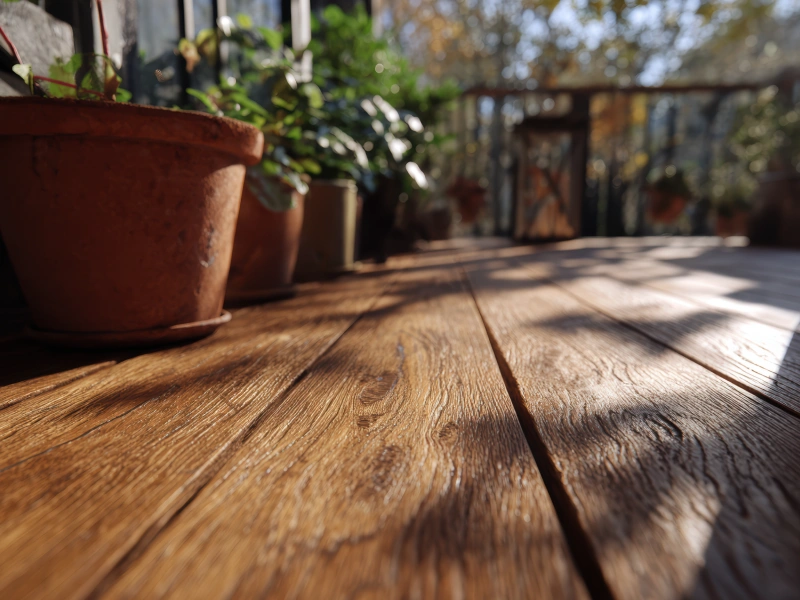
Cedar and redwood represent premium natural wood options that offer inherent resistance to rot, decay, and insect damage due to their natural oils and tannins. These softwoods provide a beautiful, rich color that many homeowners find appealing, with cedar displaying warm reddish-brown tones and redwood offering deeper, more vibrant hues. Both materials age gracefully, developing a silvery-gray patina over time if left untreated. The natural resistance of these woods means they require less chemical treatment than pressure-treated lumber, making them an attractive option for environmentally conscious homeowners. However, they still benefit from periodic sealing and staining to maintain their original color and protect against moisture absorption. Without regular maintenance, cedar and redwood will weather and may develop surface checking or minor cracking, though the structural integrity typically remains sound. The primary drawback of cedar and redwood is cost. These materials are significantly more expensive than pressure-treated lumber and often comparable to or higher than composite options. Availability can also be a concern, as quality cedar and redwood are sourced from specific regions and may need to be special-ordered. Despite these considerations, many homeowners choose these materials for their authentic natural beauty, pleasant aroma, and smooth texture. Cedar and redwood provide an upscale aesthetic that enhances your property’s value while creating an inviting outdoor environment. With proper care, these premium woods can last 20 to 30 years or more.
Evaluating Your Budget and Long-Term Investment
When selecting your material, it is essential to look beyond the initial purchase price and consider the total cost of ownership over the lifespan of your structure. Pressure-treated lumber may have the lowest upfront cost, but the ongoing expenses for staining, sealing, and potential board replacement can add up significantly over 15 to 20 years. In contrast, composite materials require minimal maintenance, which means fewer costs and less time spent on upkeep. Calculate the size of your project and obtain quotes for different materials to understand the financial commitment for each option. Factor in labor costs, as some materials are more time-intensive to install than others. Additionally, consider whether you have the skills and time to handle maintenance yourself or if you will need to hire professionals for periodic care. These hidden costs can substantially impact the long-term affordability of your choice. Your budget should also account for any additional features you want to incorporate, such as built-in seating, planters, lighting, or custom railings. Some materials work better with certain design elements, so your choice may influence the overall project scope. Think about how long you plan to stay in your home and how much use your outdoor space will receive. If you entertain frequently or have a large family, investing in a more durable, low-maintenance material may provide better value over time. Working with experienced professionals can help you make informed decisions that balance quality, aesthetics, and budget. Since 1984, our team has helped homeowners throughout Central Connecticut create outdoor living spaces that enhance their properties and fit their financial goals. We take the time to explain the advantages and trade-offs of each material, ensuring you understand exactly what to expect from your investment. Our commitment to transparency and personalized guidance means you can move forward with confidence, knowing your project is built to last. When you partner with our family-owned business, you benefit from decades of hands-on experience with every type of material and construction technique. We have witnessed firsthand how different materials perform through the region’s challenging seasonal cycles, and we use that knowledge to recommend solutions tailored to your specific property and lifestyle. Our goal is not just to build a structure but to create an outdoor space that brings lasting value and enjoyment to your home for years to come.